

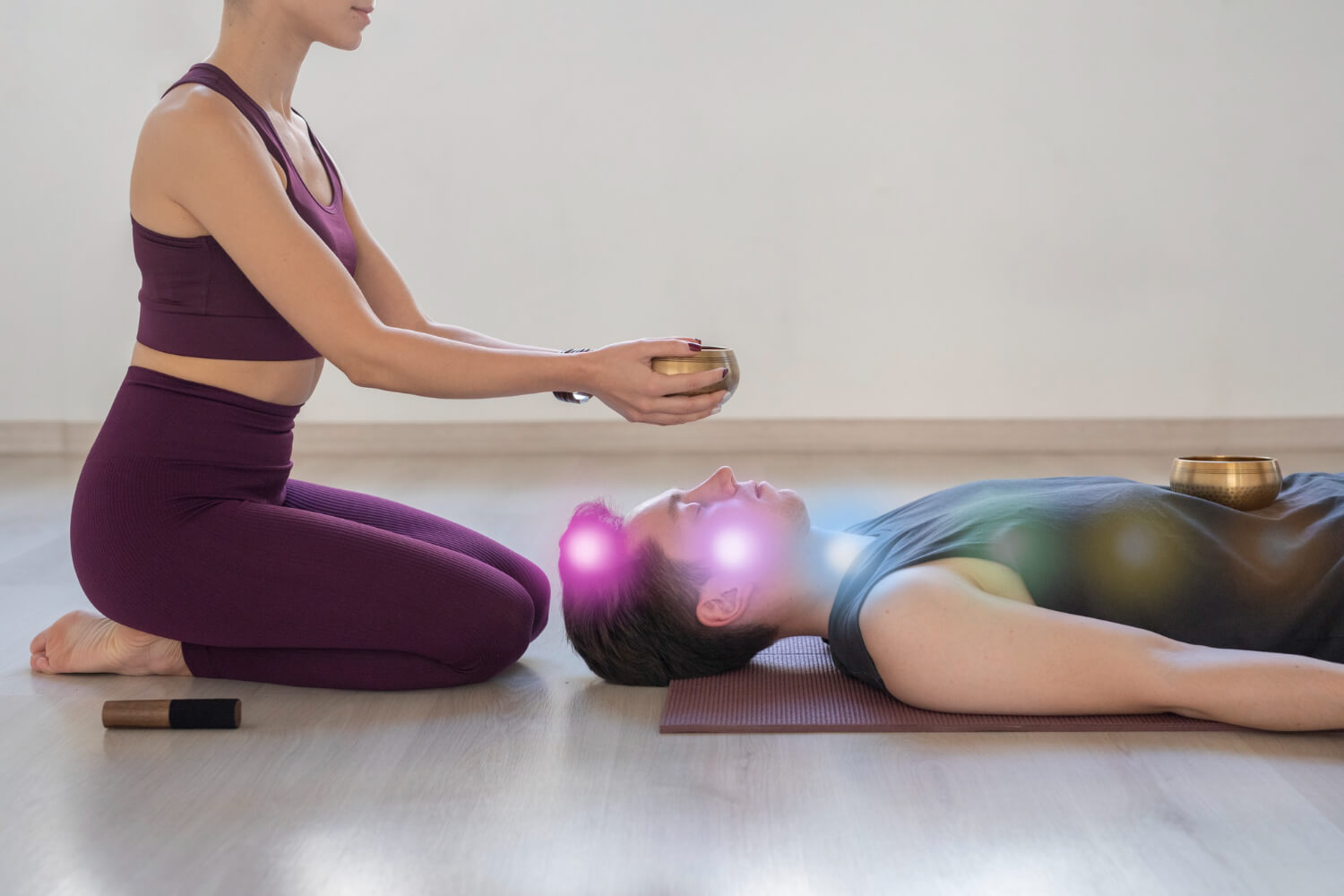
Colour vibration therapy, also known as chromotherapy, is an alternative healing practice that uses the visible spectrum of light and color to affect a person’s mental, emotional, and physical well-being. Rooted in ancient cultures and gaining modern interest, this therapy is based on the premise that different colors emit distinct vibrations or frequencies, which can influence the human body and mind in various beneficial ways. This article offers an in-depth exploration of colour vibration therapy, its historical foundations, scientific considerations, mechanisms of action, applications, and the current status of its acceptance within the healthcare community.
Historical Foundations of Colour Vibration Therapy
The concept of color affecting health and mood dates back thousands of years. Ancient civilizations such as the Egyptians, Greeks, Chinese, and Indians incorporated colors into their healing practices. For instance, the Egyptians used colored crystals and light in their temples to purify the body and spirit, while Indian Ayurvedic medicine employs specific colors to balance chakras, which are thought to be energy centers aligned along the body’s spine. Similarly, traditional Chinese medicine also associates colors with the five elements and corresponding organs, using color therapy as part of their holistic healing.
In the early 20th century, the modern foundations of chromotherapy were formally developed by practitioners like Dinshah Ghadiali, who systematized the use of specific colors to treat particular ailments using filters and colored lights. This was a time when scientific inquiry began to merge with esoteric knowledge, giving birth to a renewed interest in the therapeutic use of light and color.
Scientific Considerations and Mechanisms
From a scientific perspective, light is electromagnetic radiation that travels in waves of particular frequencies. The visible light spectrum ranges from red, which has the longest wavelength and lowest frequency, to violet, with the shortest wavelength and highest frequency. Colour vibration therapy posits that these different frequencies can resonate with different parts of the body or energy fields surrounding humans to bring balance and promote healing.
Psychologically, colors are known to influence mood and behavior. For example, blue light exposure has been shown in numerous studies to increase alertness and reduce fatigue. Red light is sometimes used to stimulate circulation and tissue repair. These effects are typically explained by neurological and biochemical pathways, such as the way light influences the suprachiasmatic nucleus in the brain to regulate circadian rhythms or stimulate hormone production.
In chromotherapy practice, colors are applied through light exposure, visualization, colored fabrics, or even colored water. The idea is that the color’s vibration can penetrate the body, affecting cells at the molecular or energetic level, though empirical evidence on this bioenergetic interaction remains limited.
Applications of Colour Vibration Therapy
Colour vibration therapy is utilized in various contexts, including mental health, physical healing, and spiritual well-being. Common applications include:
- Stress Reduction and Mood Enhancement: Colors like blue and green are believed to induce calmness and relaxation, making them ideal for managing anxiety, insomnia, and depression.
- Pain Relief and Tissue Healing: Red and infrared lights are sometimes used to promote blood circulation and accelerate healing in physical injuries.
- Detoxification and Immune Support: Some practitioners claim colors like yellow and orange stimulate metabolic processes and detoxification pathways.
- Chakra Balancing and Energy Healing: In holistic and spiritual traditions, colors correspond to different chakras (energy centers). For example, violet is associated with the crown chakra (spirituality), while red corresponds to the root chakra (grounding).
Colour vibration therapy is also employed in wellness centers, spas, and meditation practices to create specific atmospheres conducive to relaxation and healing.
Criticisms and Scientific Skepticism
Despite its historical roots and experiential popularity, chromotherapy faces skepticism in mainstream medicine due to a lack of rigorous clinical trials and reproducible empirical data. Critics argue that many of the claims regarding color vibration effects are anecdotal or placebo-based. The mechanisms proposed by colour vibration therapy, such as energetic resonance at the cellular level, remain scientifically unverified.
That said, some elements of chromotherapy align with recognized principles of light therapy, which is evidence-based and used clinically for conditions like seasonal affective disorder (SAD) and certain skin disorders. The challenge lies in distinguishing the validated effects of light exposure from the more metaphysical claims surrounding color vibrations.
Current and Future Perspectives
Interest in non-invasive and holistic treatments like colour vibration therapy continues to grow, especially as people seek complementary approaches to conventional medicine. Research into the physiological effects of color and light is ongoing, using advanced technology such as photobiomodulation and neuroscientific imaging to explore how different wavelengths affect human biology.
In the future, integrative health models may incorporate elements of chromotherapy, supported by empirical research, into multidisciplinary treatment plans. Educating practitioners and patients with evidence-based information will be critical to maximising potential benefits while maintaining scientific rigor.
Conclusion
Colour vibration therapy represents a fascinating intersection of ancient wisdom and modern explorations into the therapeutic power of light and color. While historical use and anecdotal evidence suggest beneficial effects on mental, emotional, and physical health, more research is needed to fully understand the mechanisms and verify clinical efficacy. As science advances, colour vibration therapy may evolve from an alternative modality to an accepted complementary practice, enriching the holistic health landscape. Meanwhile, its emphasis on the subtle influences of environment, perception, and energy highlights an important dimension of human experience often overlooked in purely biomedical approaches.